

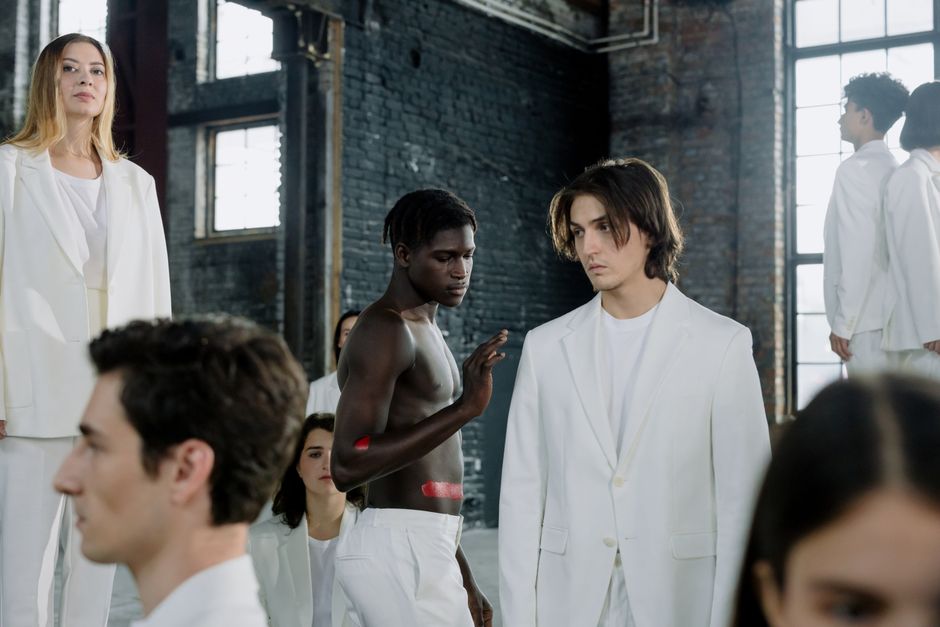
Interview clothing works best when it stays in the background. What matters is that the panel can concentrate on your answers, your experience and your enthusiasm for the role. A sensible, tidy outfit signals respect for the occasion without turning the meeting into a fashion test. With a little planning, you can select something simple that lets you speak naturally. This guide also touches on leather jackets and how it fits into the bigger picture.
Let the workplace come before the wardrobe
Where the interview is held should be your first consideration, ahead of whether to wear a suit or a smart shirt. Traditional professions, client-facing positions and formal offices generally require a more structured look. Dress codes can be more casual in a creative studio, a modest charity or a hands-on setting, but casual should not be taken as careless.
When in doubt, find out from the person setting up the interview what people normally wear. Far from being embarrassing, that query is handy and shows that you want every detail to be correct. Another option is to see how employees present themselves in public-facing content, while avoiding too close a copy of any individual.
Dress a little more formally than the role's ordinary standard, as a sensible guideline. You can then be taken seriously while not looking as if your clothes belong to someone else. This helps direct attention to your fit for the job instead of your style decisions.
Build a simple interview outfit
A reliable base
Choose a clean shirt or blouse in a plain shade, pressed well, as your first item. Because they are simple to match and tend not to distract, navy, grey, white, pale blue and muted neutrals are good options. Depending on what suits you already, include tailored trousers, a plain skirt or a smart dress.
Should you favour a jacket, pick one that fastens without strain and rests well across the shoulders. Your jacket need not belong to a matching suit, but it ought to appear deliberate alongside the other pieces. The same is true of knitwear, since a lightweight, fine jumper works well under a jacket while a chunky one may appear too informal. For a closer look, custom jackets shop covers this in more detail.
Layers for Changing Weather
Since interview rooms differ in temperature and travel may involve changeable weather, layers are helpful. Removing a simple coat, a clean jacket or a light cardigan need not expose a creased shirt. Because constant fidgeting undermines a calm impression, avoid clothing layers that need continual tidying.
Simple Accessories and Finishing
Accessories should remain practical and unobtrusive. Simple shoes, a plain belt, small earrings and a watch are generally sufficient. When wearing jewellery, select items that will not rattle, snag on clothes or attract notice as you move your hands. Rather than carrying an oversized or highly decorated bag, keep it practical and orderly.
Fit, Fabric and Grooming Over Trends
An inexpensive outfit that fits well will always look better than an expensive one that pulls at the shoulders or trails on the floor. Check the sleeve length at your wrist, the length of the trousers and whether the waistband permits comfortable sitting. Should an item require adjustment, have it done before the interview instead of trusting that no one will notice.
How you look in stressful situations is affected by fabric as well. Good-quality blends and natural fibres generally crease less and fall better than materials that are thin and rigid. Nothing that crumples immediately on sitting, looks shiny under workplace lighting or feels so rough that it distracts you should be worn. Comfort is not a matter of vanity, since it assists concentration.
Personal grooming ought to seem intentional without appearing laboured. Alongside a pressed shirt, the same impression comes from clean hair, tidy nails, fresh breath and a careful shave or trimmed beard. In a small room, heavy scent is better left off, and any visible labels or loose threads ought to be removed before departure.
Items best avoided
Unnecessary problems can arise from some choices. The interviewer should recall what you said rather than what you wore, so discard anything likely to draw an unwanted second glance. Consider again the following:
- Garments that are visibly mended, stained or crumpled
- Prominent logos, novelty prints, slogans or busy patterns
- Aftershave, heavy perfume or jewellery that rattles
- Trainers, flip-flops and worn-out shoes, except where the role obviously requires practical footwear
- Garments you have never worn for a complete day involving sitting, walking and waiting
- Skirts that are very short, low necklines, or clothes that feel too tight or revealing
Each of these points poses a risk in a formal interview, although none is an absolute rule. Choose the more restrained option if you are unsure. Simplicity is easier to manage and less likely to undermine you.
Check the Outfit Beforehand
At least a day beforehand, put on the entire outfit, with shoes, belt and bag included. Sit, stand, walk and raise your arms as you would in an interview. Before such issues become troublesome, this shows up tight shoulders, straps that slip, buttons that gape or shoes that rub.
Inspect it in daylight and view it from various angles in the mirror. Watch for creases that need pressing, loose hems, visible underwear lines and any transparency. Have a second option ready should bad weather be forecast or should you face a long journey.
For the day, select tidiness over perfection. Bring a little cloth should you require it, and set aside a moment to review your appearance before entry. When you start calmly, you come across as organised and prepared.
Check Once More Before You Go
Before leaving, check that nothing pulls, rides up or draws unwanted attention. If a piece needs constant fiddling, swap it for a calmer alternative. Clean, comfortable and suitable clothing will serve you better than any passing trend, allowing you to sit upright, speak clearly and forget what you are wearing. The same thinking applies well to leather jackets.


Coding is used in almost all aspects of life and work now, be it directly or indirectly. It’s not just for companies in the tech sector. “An increasing number of businesses rely on computer code,
Coding is used in almost all aspects of life and work now, be it directly or indirectly. It’s not just for companies in the tech sector. “An increasing number of businesses rely on computer code,
Coding is used in almost all aspects of life and work now, be it directly or indirectly. It’s not just for companies in the tech sector. “An increasing number of businesses rely on computer code,