

Start With A Bag You Will Actually Carry
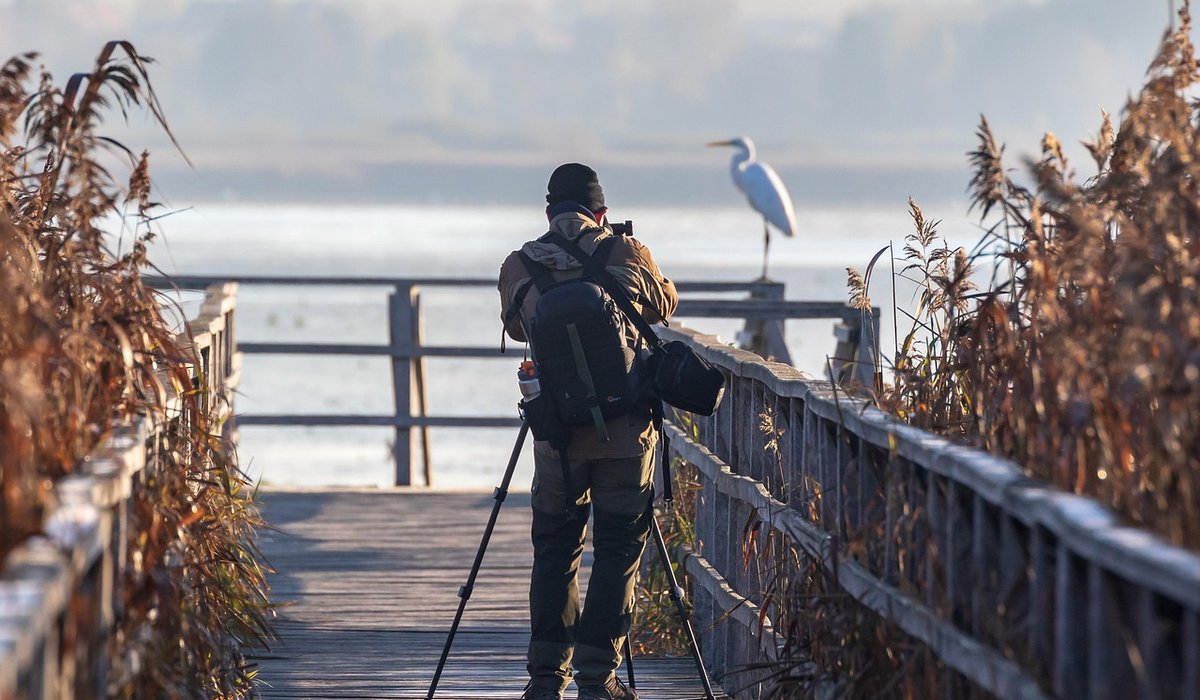
Most packing mistakes begin with the bag rather than its contents. A cavernous backpack that swallows every lens you own is wonderful in the hallway and miserable on a two-mile trudge across a windswept moor. Choose something that sits comfortably on your back, opens without a wrestling match, and has a rain cover either built in or tucked into its own pocket. If your shoulders ache after an hour, you will start leaving things behind — and it will be the things you need.
Dividers and inserts matter more than most people expect. A padded insert that lets you lift your whole kit out in one piece turns a rucksack into a camera bag for the day and back again for the journey home. Side access is worth its weight in gold on a beach or a city street where you want the camera out quickly. Weigh the empty bag before you buy it: if it is heavy before anything goes in, it is the wrong bag.
Power, Cards And The Unglamorous Essentials
Carry at least two spare batteries, three in winter. Cold drains lithium quickly, so keep spares in an inside pocket next to your body rather than in an outer pouch. Charge everything the night before a shoot, and pack a spare charger lead plus a USB power bank — many modern bodies charge over USB, so a single battery brick and cable can rescue a whole trip.
- Memory cards: two or three 64GB cards beat one enormous one. If a card fails you lose an afternoon, not a fortnight. Number them, keep them in a wallet and never format in the computer — always format in camera.
- Card reader and cable: small, light, and the difference between backing up in a pub and waiting until you get home.
- A spare body cap and rear lens caps: tiny items, permanently lost, quietly essential.
- A pen and a small notebook: pens freeze or dry out, so a pencil is a sensible backup for logging locations and settings.
Glass, Cloths And Keeping Things Sharp
Keep lens hoods fitted at all times. They shield against flare, stray rain and the knocks that happen when you set a camera down on a wall. A polariser and a couple of neutral density filters — a six-stop and a ten-stop — cover most British landscape work, and step-up rings let one filter size serve several lenses.
Cleaning kit earns its place every single outing. Pack three microfibre cloths in separate bags: one for dry dust, one slightly damp, one for the sensor if you are brave. Add a rocket blower, a soft lens brush and a few sensor swabs. On the coast, salt spray dries into a haze that ruins contrast, so wipe gently with a damp cloth and fresh water rather than rubbing grit across the front element.
- Tripod essentials: a spare quick-release plate, the correct Allen key, and rubber feet for tarmac plus spikes for grass and gravel.
- Remote release or interval timer: vital for long exposures and for keeping your hands off the camera in wind.
- Gaffer tape: wrapped around a pencil. It fixes hoods, holds reflectors and stops rattling.
Weather, Water And The British Compromise
Assume rain, then be delighted when it holds off. A rain sleeve or lightweight poncho, a dry bag for the camera itself and a small microfibre towel cover most emergencies. Add a handful of silica gel sachets to absorb the damp that creeps into a bag left in a car overnight.
Condensation is the enemy nobody plans for. Coming out of a warm car into a cold, misty morning, leave the bag zipped for twenty minutes so the kit equalises gradually. Change lenses indoors or in the car rather than on a clifftop, and never in a stiff sea breeze where sand and spray will find the sensor.
In the Highlands and parts of the north in summer, midges can end a shoot early. A head net and repellent weigh almost nothing. After a coastal session, rinse tripod legs and feet in fresh water — salt and sand will seize the locks far sooner than you would like.
The Comfort Kit That Keeps You Shooting
A photographer who is cold, wet or hungry stops noticing light. Pack for the person, not just the camera.
- Gloves: thin liners under fingerless mitts let you work dials without exposing bare skin to a January wind.
- Hand warmers, a flask and snacks: a hot drink at a sunrise viewpoint is a genuine piece of equipment.
- Headtorch: essential for pre-dawn starts and dark walks back, ideally with a red mode to protect your night vision.
- Waterproof trousers and gaiters: wet knees on a Lakeland fell make for a short day.
- First aid basics: blister plasters, painkillers, a spare pair of socks. Plus sun cream and insect repellent, whatever the forecast claims.
- Paper map, tide times and some cash: phone batteries die, signal vanishes in valleys, and car parks take coins.
A Two-Minute Routine Before You Leave
The best kit in the world is useless left on the hall floor. Build a short ritual: charge batteries, format cards, clean the front elements, check the weather and, on the coast, check the tide. Tell someone where you are going and when you expect to be back.
Then be honest about the day ahead. For a blustery cliff walk, one body and one lens will almost always beat three lenses you never fit. Pack for the photograph you intend to make, keep the rest on the shelf, and you will carry less, shoot more and come home with both your images and your gear intact.


Coding is used in almost all aspects of life and work now, be it directly or indirectly. It’s not just for companies in the tech sector. “An increasing number of businesses rely on computer code,
Coding is used in almost all aspects of life and work now, be it directly or indirectly. It’s not just for companies in the tech sector. “An increasing number of businesses rely on computer code,
Coding is used in almost all aspects of life and work now, be it directly or indirectly. It’s not just for companies in the tech sector. “An increasing number of businesses rely on computer code,